The Investor’s Game
Manager · Strategy · Simulator · Multiplayer · 2D
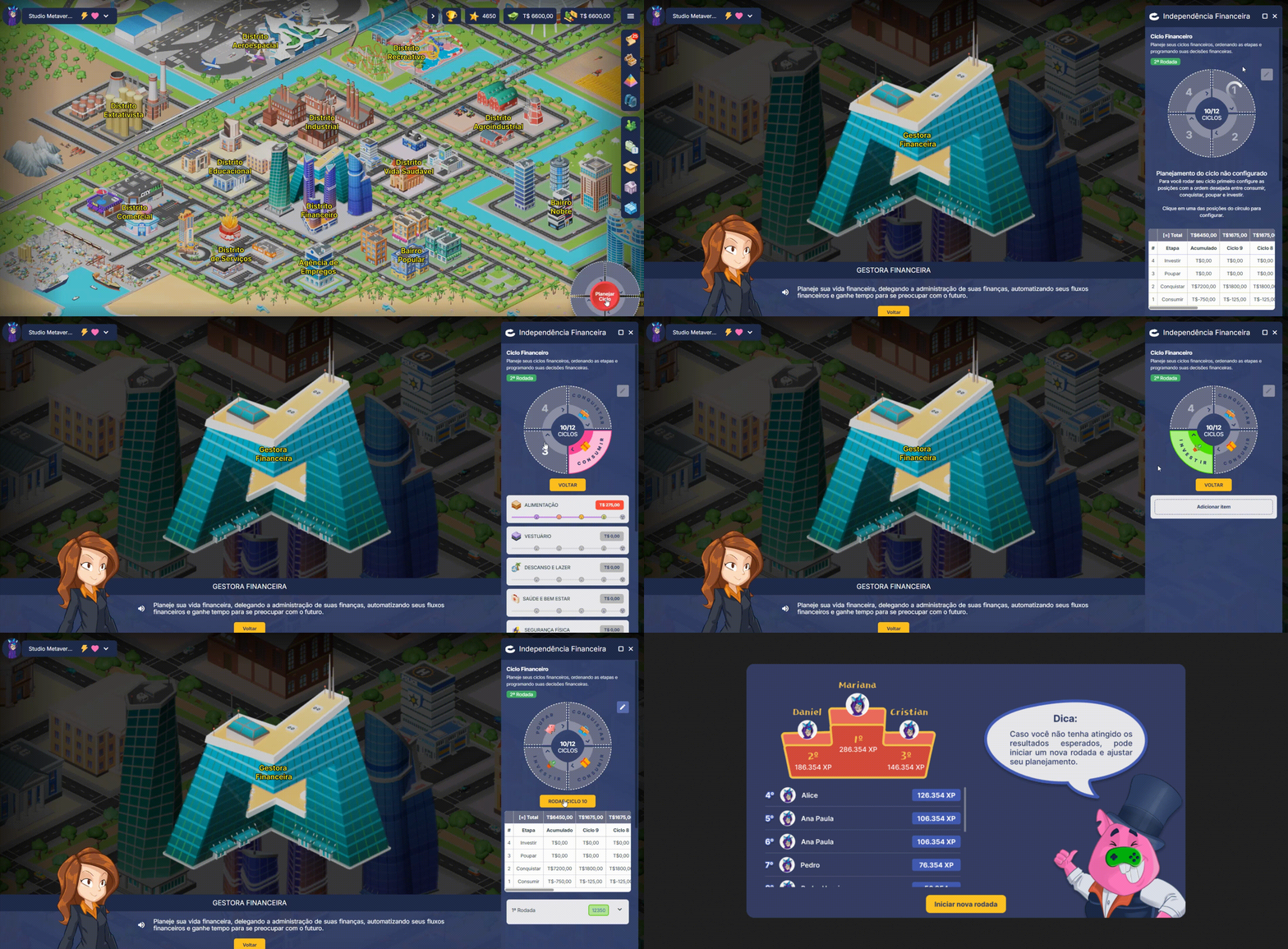
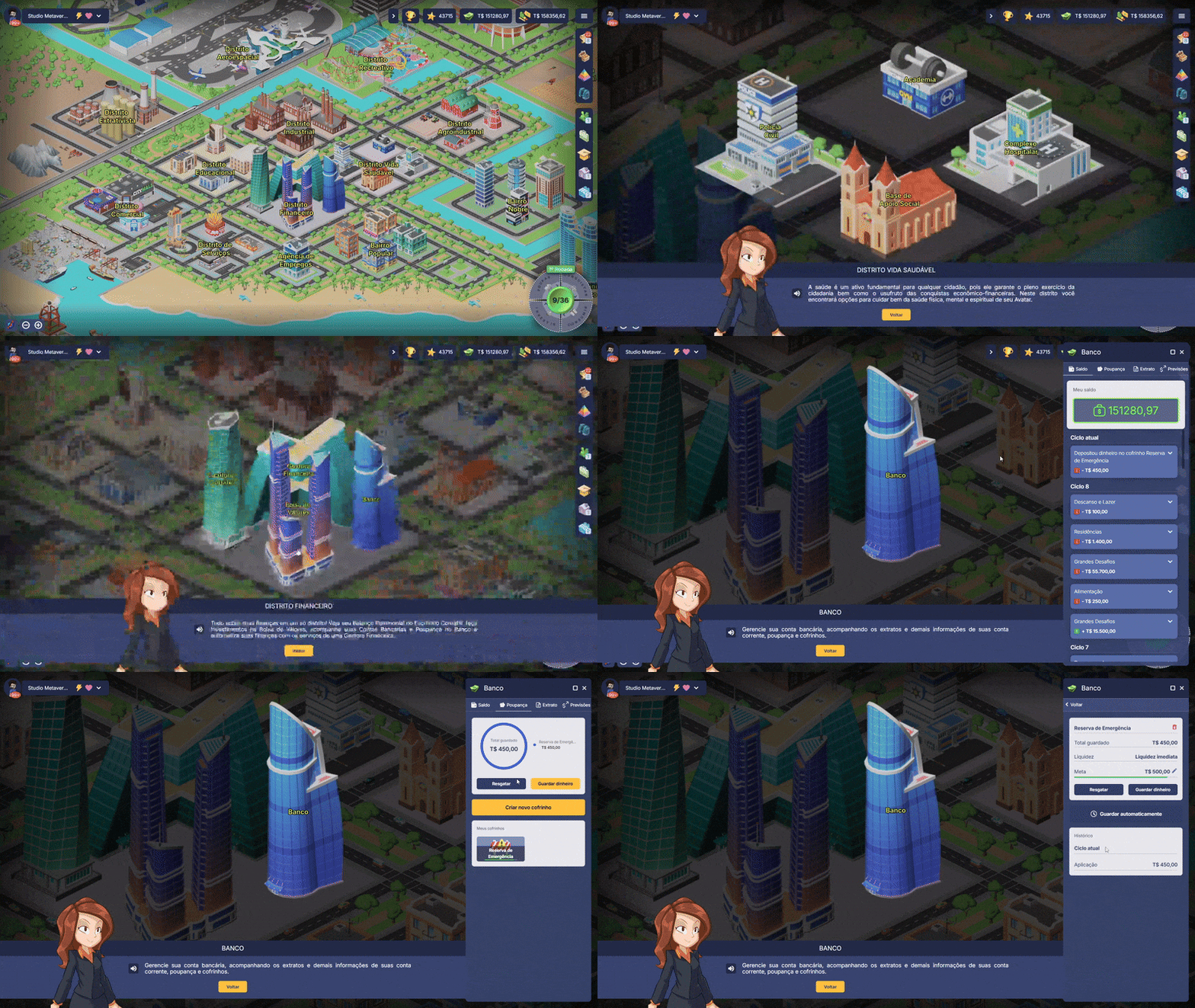
A financial life simulator where players manage income, expenses, investments, and career choices to progress through Maslow’s Hierarchy of Needs and compete on global leaderboards.
Project Snapshot
- Developer: Tindin Educação
- Engine: Phaser
- Time on project: 6 months
- Partners: B3 · Tesouro Direto · Artemisia · TD Impacta
Links
My role & contributions
Lead Game Designer · Game Balance · Level Designer
- Game systems and economy design ownership
- Quest and progression design
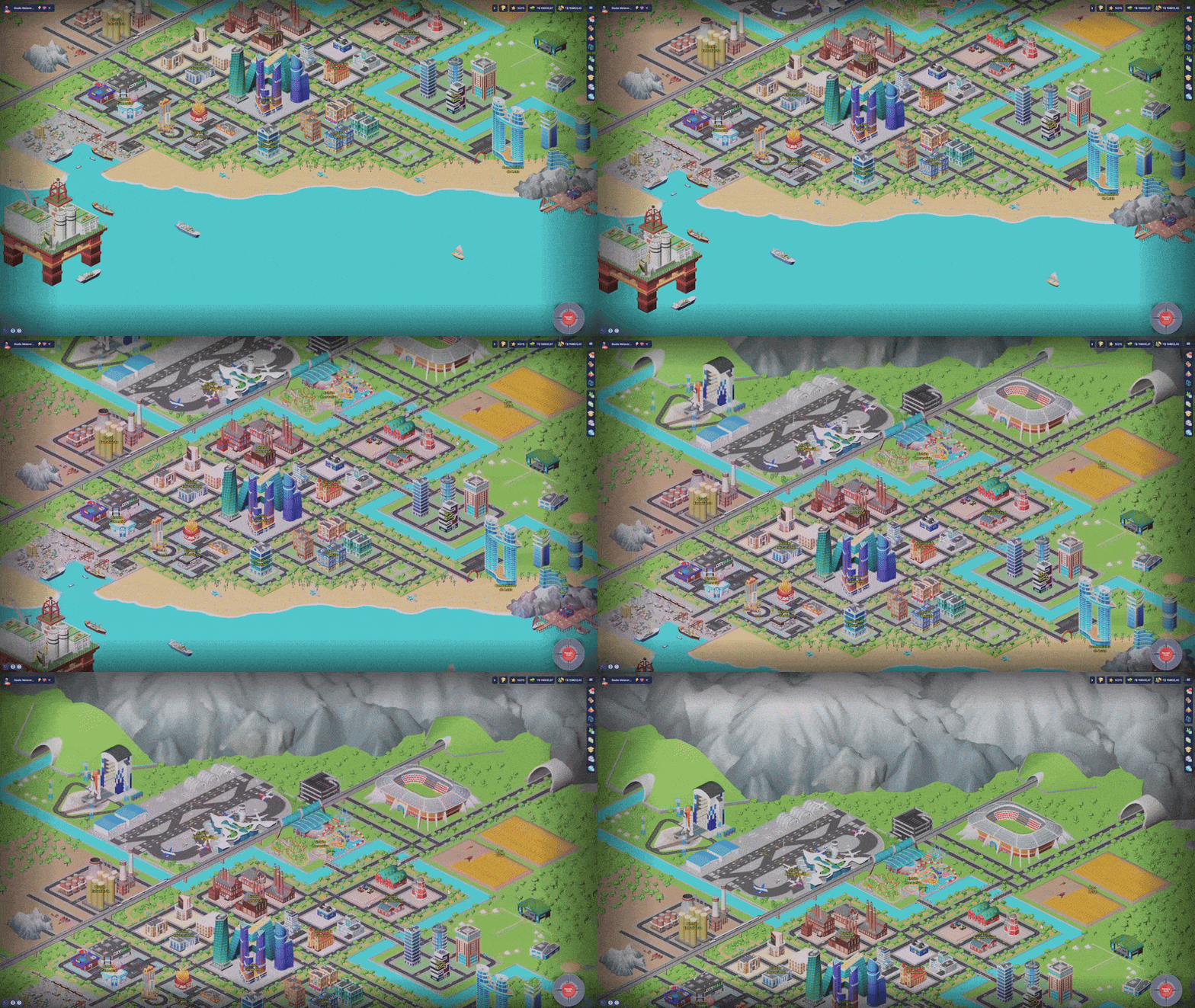
- City level design and interaction flow
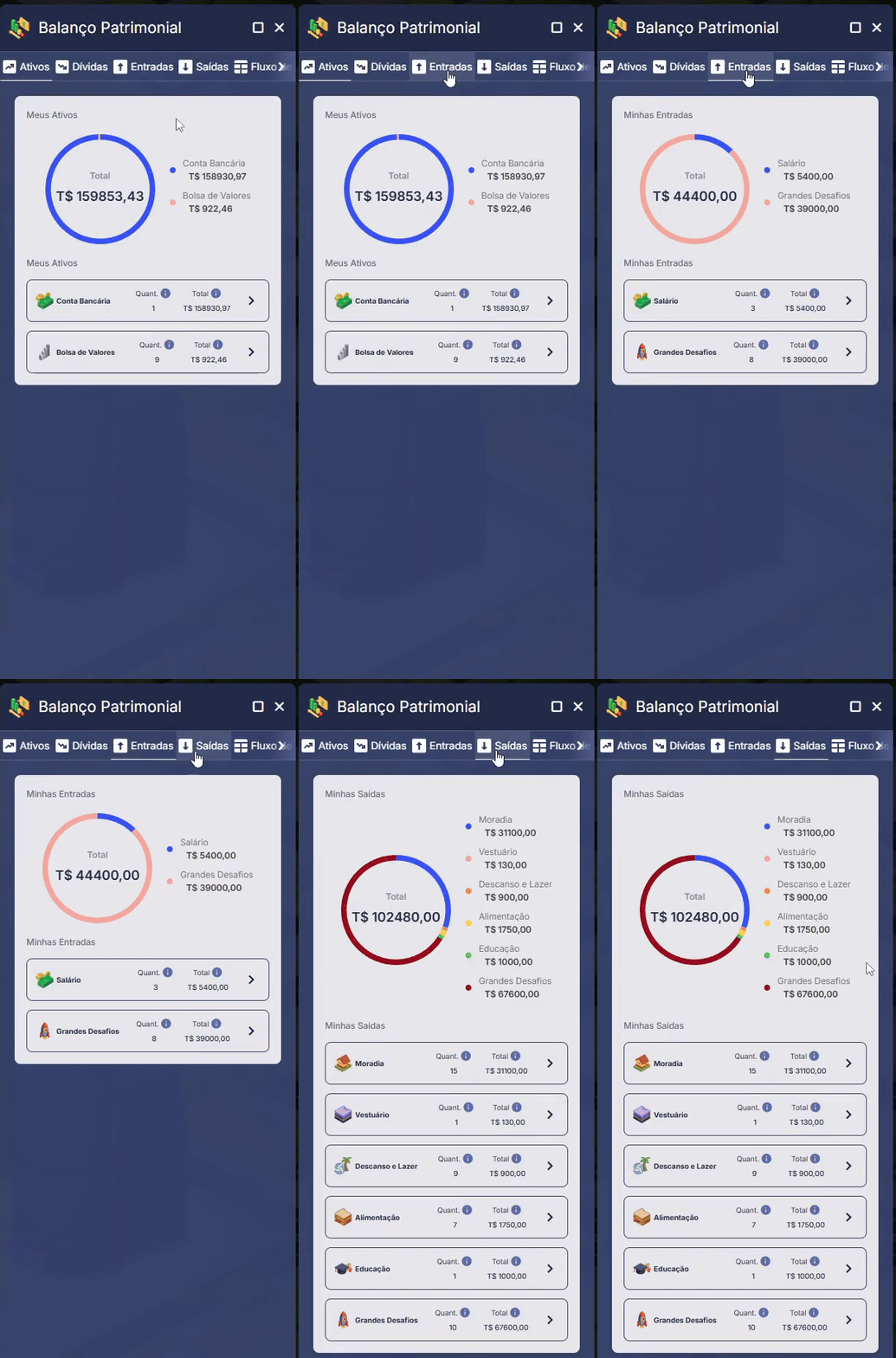
- Economy balancing (salary, items, investments, enterprises)
- Creation and management of 400+ in-game items
- UI/UX collaboration for complex menu systems
Economy & Progression Systems Design
Game Design · Economy · Progression · Simulation
🟥 The problem
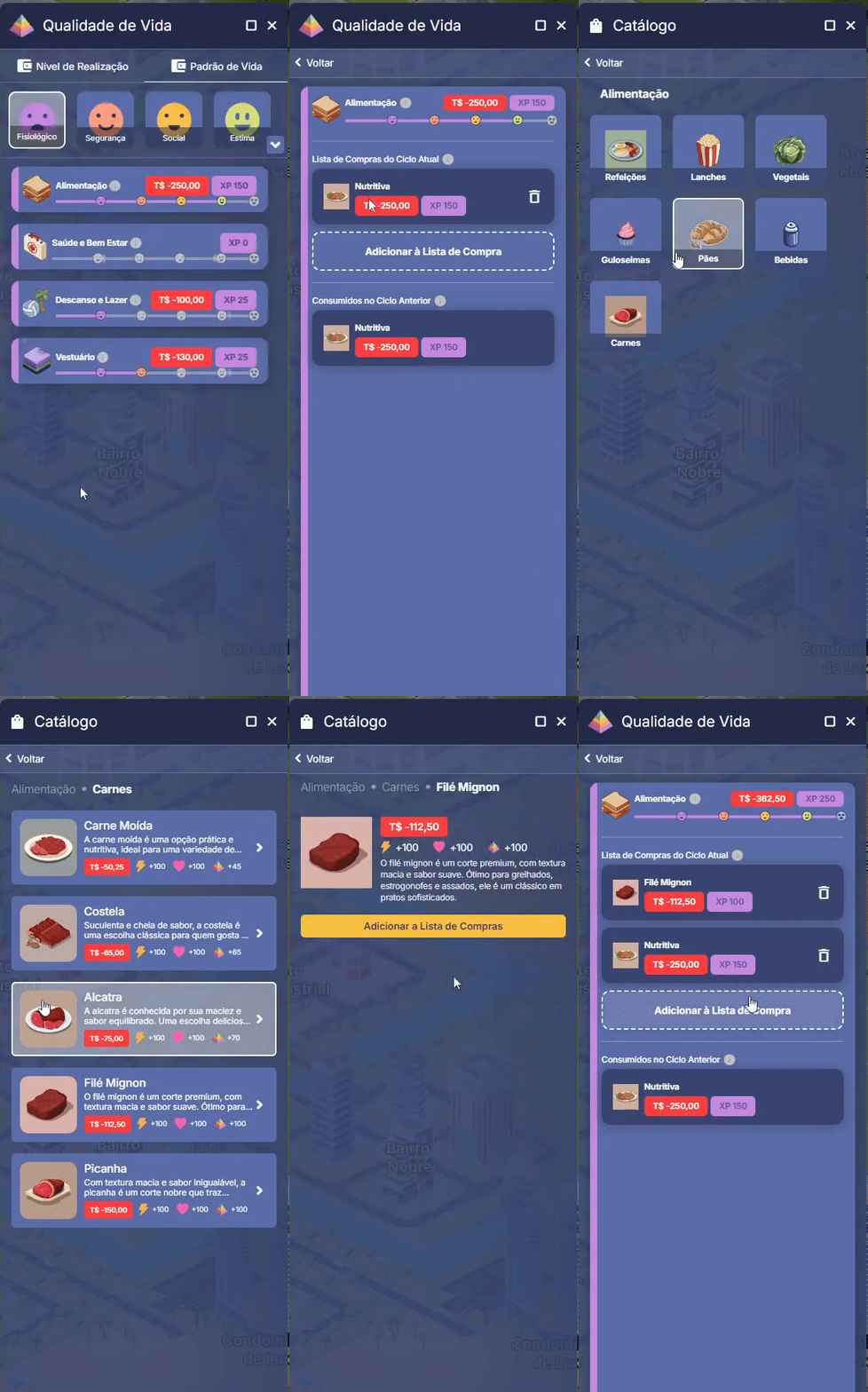
The entire game experience is menu based, around purchases, resource management, and XP progression.
With 400+ items, each containing unique values, recurring expenses, and XP rewards.
🟨 What I did
I designed and balanced the economic and progression system:
- Structured and managed a centralized spreadsheet with 400+ item variables
- Modeled income sources, expenses, and investment returns
- Designed XP thresholds and level unlock logic across five progression tiers
- Applied value distribution formulas to maintain curve consistency
- Tuned early-game economy to prevent inflation or stagnation
- Controlled unlock pacing to regulate complexity exposure
🟩 Impact [LiveOps]
- Stable economic loop with controlled resource circulation
- Consistent progression curve across all five tiers
- Predictable yet flexible scaling for future content additions
- Reduced risk of inflation, soft-locks, or progression breaks
Technical Design & Implementation (Blockly)
Game Design · Technical Design · Systems Implementation
🟨 System Limitation
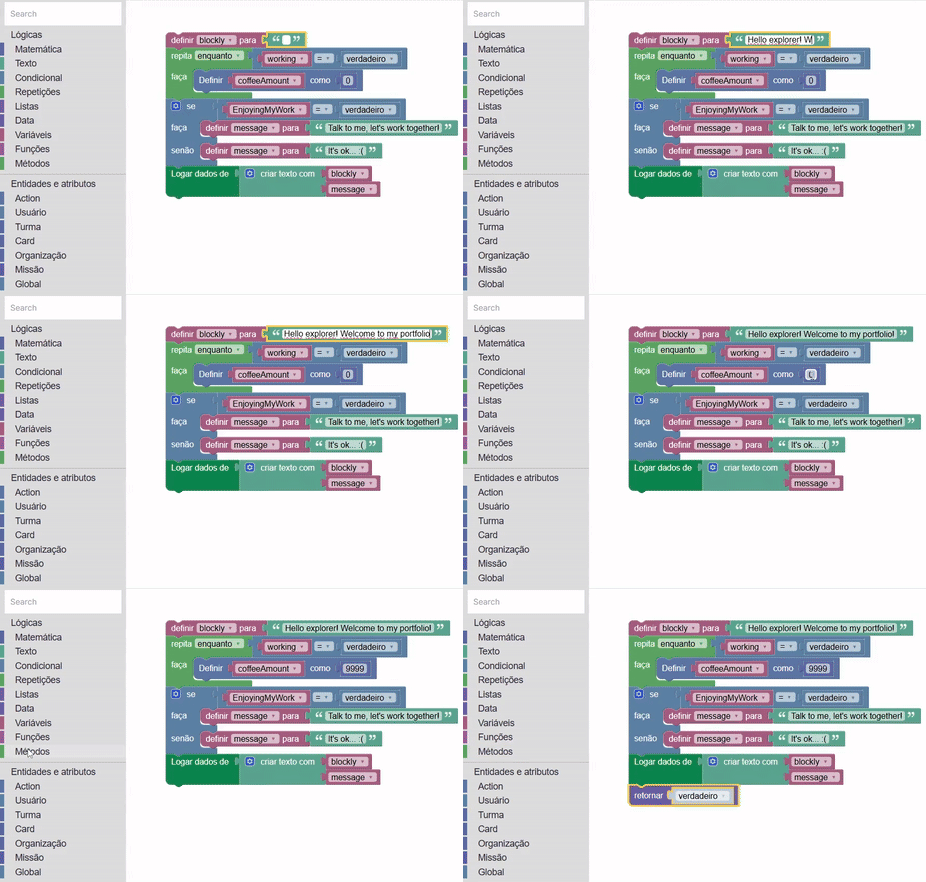
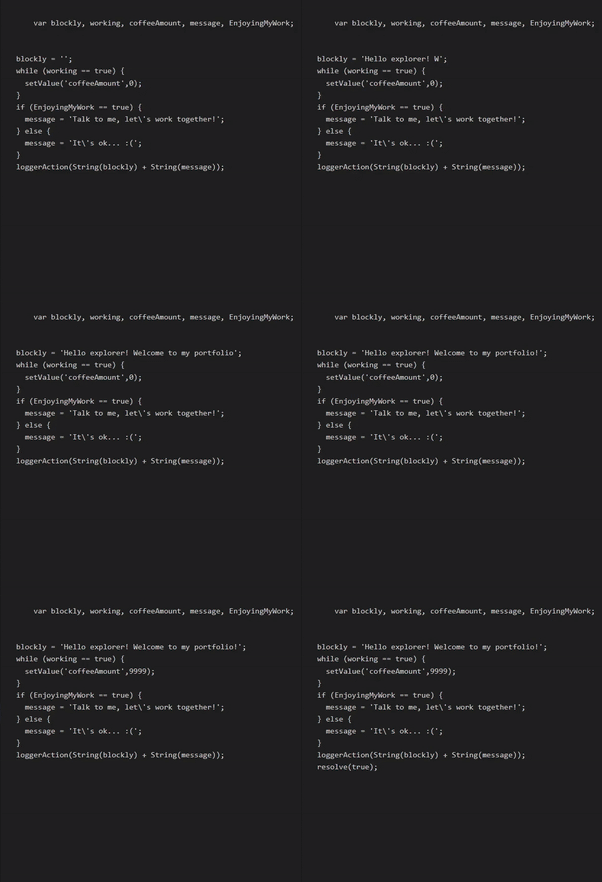
The entire Tindin platform is built on Blockly-based programming.
The small team and tight deadlines required hands-on implementation of several core systems.
Working with block based logic demanded a different approaches,due to its constraints.
This made clear algorithm planning, system breakdown, and documentation essential to ensure reliable gameplay behavior.
🟩 Using Blockly, I implemented
- Quest validation and progression systems
- Camera focus logic tied to building interactions and contextual dialogues
- Menu systems dynamically linked to their corresponding buildings
- A structured item catalog (icons, categories, subcategories, and values)
- Enterprise purchase logic integrated into the economy system